
The eardrum, also known as the tympanic membrane, is an essential part of the hearing system. It acts as a barrier separating the outer ear from the middle ear and protects the delicate structures of the inner ear. Under certain circumstances, however, the eardrum can be torn, a condition known as tympanic perforation. In this article we look at the causes, symptoms and treatment options for this condition.
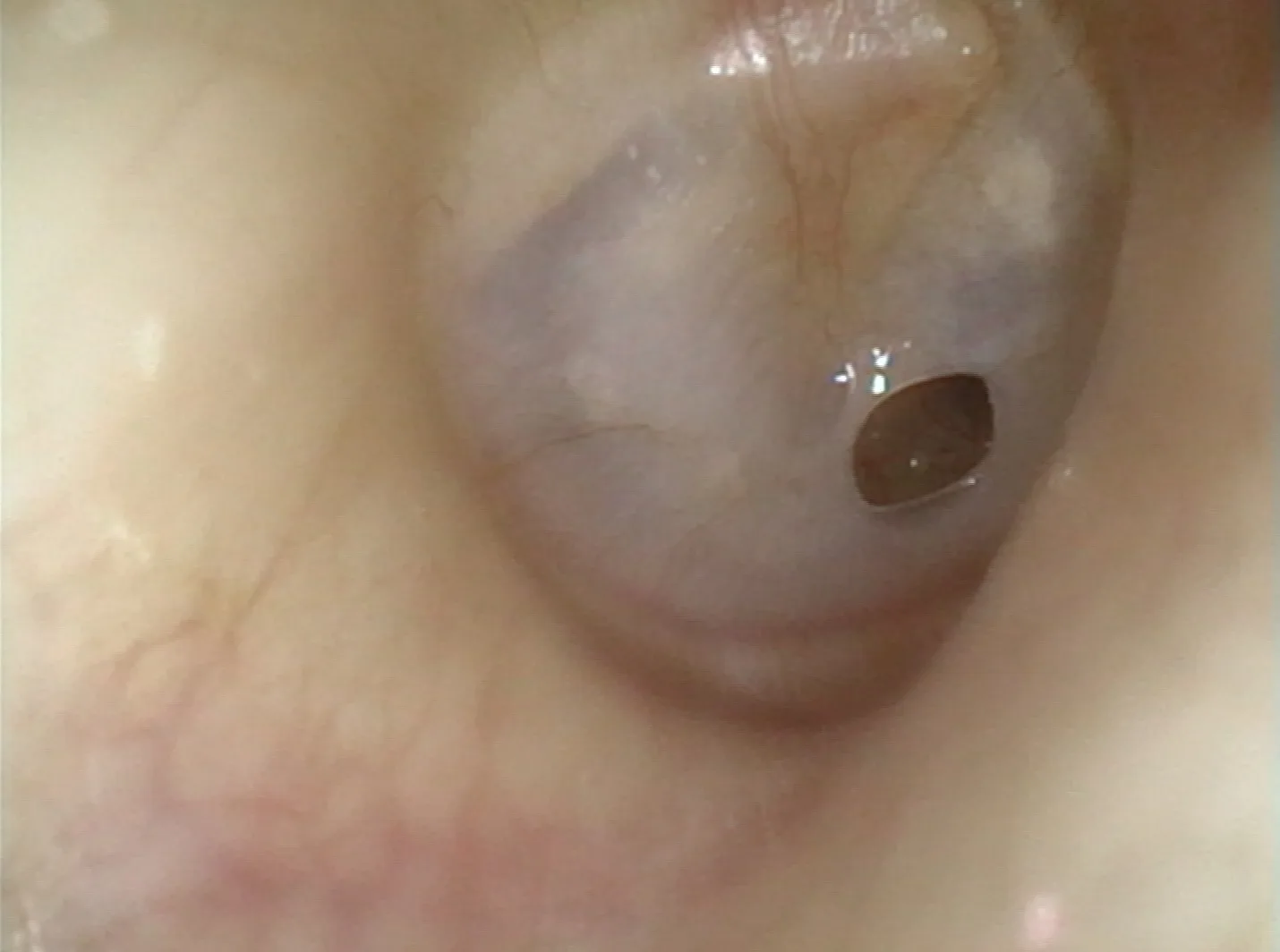
Anatomy of the eardrum
Before examining eardrum perforations in more detail, it is important to understand the anatomy of the eardrum. The eardrum is a thin, cone-shaped membrane that separates the outer ear from the middle ear. Its structure resembles a stretched drum skin and consists of three layers:
- Skin layer: The outer layer, which is in contact with the ear canal. This layer is covered with skin cells.
- Fibrous layer: The middle layer, made up of collagen and elastin fibres. It gives the eardrum both strength and flexibility.
- Mucous layer: The inner layer, which is in contact with the structures of the middle ear. This layer secretes a fluid known as tympanic fluid that helps keep the membrane lubricated.
Causes of eardrum perforation
A perforated eardrum can result from a variety of causes. Some of the most common reasons include:
- Ear infections: Middle ear infections (otitis media) can cause pus and pressure to build up behind the eardrum which, if left untreated, may lead to perforation.
- Traumatic injuries: Direct injury to the ear, such as a heavy blow, a fall or the insertion of objects into the ear canal, can damage the eardrum and create a hole.
- Pressure changes: Sudden changes in pressure, such as those that occur during air travel or scuba diving, can damage the eardrum if the pressure is not equalised properly.
- Improper use of cotton buds: Inserting cotton buds or other objects incorrectly into the ear canal can injure the eardrum.
- Exposure to loud sounds: Continuous exposure to loud noise or nearby explosions can damage the tympanic membrane over time.
Symptoms of eardrum perforation
A perforated eardrum can present with a range of symptoms that vary in severity. Common symptoms include:
- Ear pain: Pain in the ear may be an initial symptom, particularly when the perforation is caused by an infection
- Discharge from the ear: There may be fluid leaking from the ear, often clear or blood-stained
- Hearing loss: Hearing loss is a common symptom, caused by the disruption of sound transmission in the middle ear
- Ringing in the ear (tinnitus): Some people may experience ringing or noise in the ear
- Dizziness: In some cases a perforated eardrum can affect balance, which may cause a sensation of dizziness.
- Recurrent infections: Ear infections may become a recurring problem because germs can enter the middle ear easily through the perforation
- Feeling of fullness in the ear: Some people may feel a sensation of fullness or pressure in the affected ear
- Hearing amplified sounds: Sounds may sometimes seem louder than normal because of the perforation
It is important to note that not all eardrum perforations cause the same symptoms and, in some cases, people may experience no discomfort at all.
Diagnosis of eardrum perforation
A perforated eardrum is usually diagnosed through a medical examination of the ear. A specialist such as an ENT doctor will use an otoscope to inspect the ear canal and the eardrum for a perforation. In some cases additional tests, such as audiometry, may be carried out to assess any associated hearing loss.
Treatment of eardrum perforation
Treatment of a perforated eardrum depends on the cause, size and severity of the perforation. Treatment options include:
- Observation and care: In some cases, particularly when the perforation is small and does not cause serious symptoms, the doctor may choose to monitor it and allow it to heal on its own. During this time, instructions may be given to keep water out of the ear and to prevent infection.
- Ear drops: Antibiotic or steroid ear drops may be prescribed to prevent or treat infections associated with the perforation.
- Repair surgery: If the hole is large, does not heal on its own or causes significant hearing loss, surgery to repair the eardrum may be required; this is known as tympanoplasty. During this procedure the perforation is closed and the integrity of the eardrum is restored.
- Preventive measures: To avoid further perforation, precautions should be taken, such as avoiding the insertion of foreign objects into the ear canal, protecting the ears from exposure to loud noise and equalising pressure in situations such as diving or flying.
Conclusion
A perforated eardrum is a common ear condition that can be caused by a number of factors, such as infections, injuries or pressure changes. Symptoms vary in severity and may include ear pain, hearing loss, fluid discharge and more. Diagnosis is based on a medical examination and, in some cases, on additional tests. Treatment depends on the cause and may involve observation, ear drops, repair surgery or preventive measures. In all cases, it is essential to seek medical care if a perforated eardrum is suspected, in order to avoid complications and protect hearing health. c:R.B.